


Published on October 25, 2026. The images in this article are AI generated illustrations.
Since October 24, seeing the permanent collection of the National Museum of Modern Art, Kyoto costs 1,000 yen instead of 430 yen, more than double. And it is only the first step: by 2027, collection exhibition fees will have risen by two to three times at six national museums, from the National Museum of Western Art in Tokyo to the National Crafts Museum in Kanazawa, in the broadest admission overhaul these institutions have gone through in years. (Source : NHK, news.web.nhk, October 24, 2026, voir la source ; Nikkei, nikkei.com, September 18, 2026, voir la source)
The new prices, museum by museum
The parent organization of the national museums announced the revision in September: fees for collection exhibitions and screenings change at six institutions, successively from exhibition periods starting in October 2026. Each museum applies the new price with its next collection show, which is why the rollout stretches to 2027. (Source : National Institutes for Cultural Heritage, artmuseums.go.jp, September 2026, voir la source)
- National Museum of Modern Art, Kyoto: 430 to 1,000 yen, in effect since October 24
- National Museum of Art, Osaka: 430 to 1,000 yen
- National Museum of Modern Art, Tokyo: 500 to 1,000 yen, scheduled for 2027
- National Museum of Western Art, Tokyo: 500 to 1,000 yen
- The National Crafts Museum, Kanazawa: 300 to 1,000 yen, the sharpest jump of all
- National Film Archive of Japan, Tokyo: 250 to 500 yen
Fees for university students rise in step, from 130 or 250 yen today to 500 yen at most of the museums, and from 130 to 250 yen at the film archive. (Source : National Institutes for Cultural Heritage, artmuseums.go.jp, September 2026)
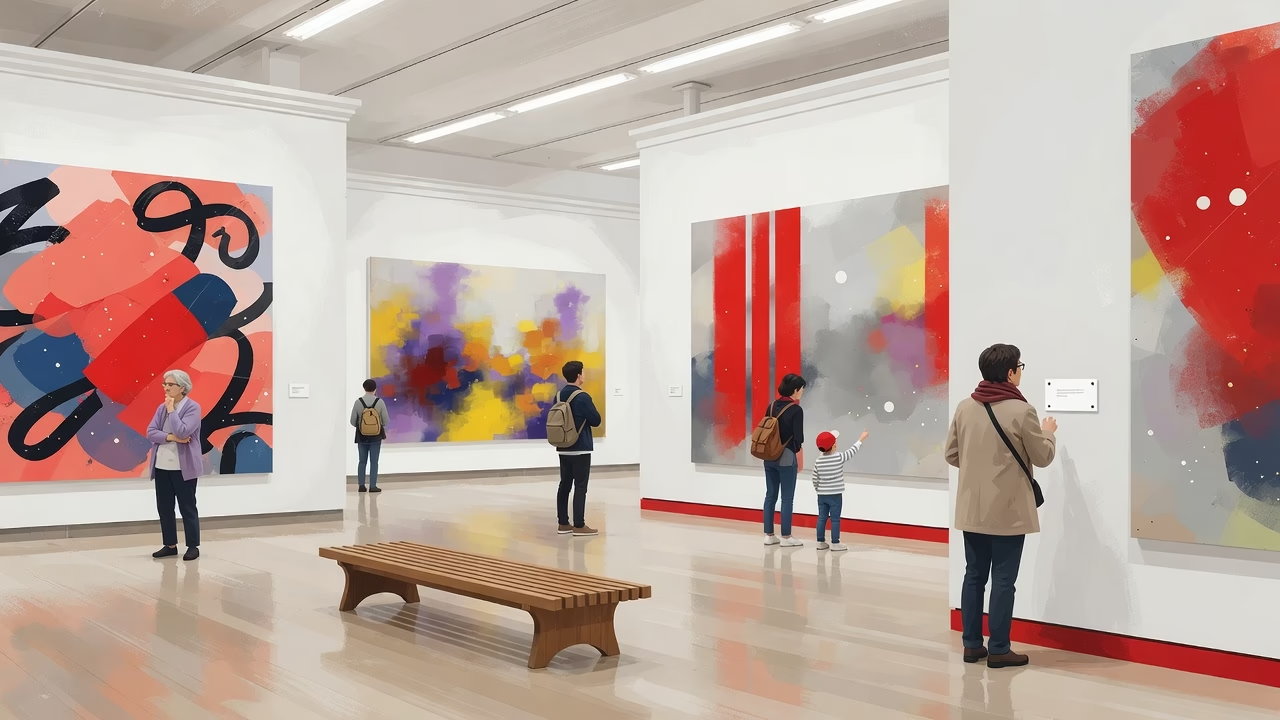
Two things do not change. Special and temporary exhibitions keep being priced show by show, as before. And the free admission policy survives the reform untouched: high school students and younger children, everyone under 18, visitors aged 65 and over, and holders of a disability certificate with one companion still enter collection exhibitions at no charge. (Source : National Institutes for Cultural Heritage, artmuseums.go.jp, September 2026)
Why the museums are raising prices
The official explanation is the cost squeeze: rising prices and energy bills have pushed up what the museums spend on transporting artworks, guards and security, and exhibition fittings. The extra revenue is meant to fund richer displays of the national collection, about 160,000 works in total, along with digital services, better accessibility with guide apps and pictograms, and renovations of cafes and open spaces. (Source : National Institutes for Cultural Heritage, artmuseums.go.jp, September 2026)
There is a second driver, less visible but just as important. As the network FNN points out, the Agency for Cultural Affairs is pushing museums to cover a larger share of their exhibition costs with their own revenue, and the government has set a target of 65 percent or more. Price increases across the public cultural sector are the direct consequence. (Source : FNN Prime, fnn.jp, October 23, 2026, voir la source)
Voices in Kyoto
NHK was at the Kyoto museum on the day the new fee took effect and collected mixed reactions. One visitor judged that « it is worth it if the exhibitions become richer », while another wondered whether the price « might keep people away ». (Source : NHK, news.web.nhk, October 24, 2026)
The jump is real but modest in absolute terms: at 1,000 yen, a collection visit in Kyoto or Osaka costs less than a casual lunch, and unlike the dual pricing schemes debated at restaurants and attractions around the country, the new fees apply equally to Japanese and foreign visitors, with seniors among the main beneficiaries of the free policy. It still lands at a moment when the cost of a trip to Japan is climbing on many fronts at once: Nagoya Castle also doubled its entry fee this autumn, and more than 3,000 food products rose in price in October. (Source : FNN Prime, fnn.jp, October 23 and October 2, 2026, voir la source)
Further reading (in French): Rester au Japon coûte de plus en plus cher : nouvelles règles et nouveaux tarifs pour les visas longue durée.
Key takeaways
For anyone planning a trip in the coming months, the practical picture is this: in Kyoto and Osaka, budget 1,000 yen for a national museum collection visit today, while several Tokyo museums still charge the old fees until their own switch, which for the Museum of Modern Art in Tokyo comes in 2027. Travelers aged 65 and over, and visitors under 18, pay nothing for the collections at any of the six museums. And the direction of travel is clear: with government targets pushing cultural institutions to fund themselves, admission prices at Japan's public museums and landmarks are on a rising path, museum by museum, through 2027.
Sources
- National Institutes for Cultural Heritage, artmuseums.go.jp : « 独立行政法人国立美術館の所蔵作品展における観覧料金の改定について », official announcement, September 2026, voir la source
- NHK, news.web.nhk : « 京都国立近代美術館の料金値上げ 一般などで2倍以上に », October 24, 2026, voir la source
- FNN Prime, fnn.jp : « 国立美術館が観覧料を順次2倍超に値上げ 国立工芸館は大人300円→1000円 政府が自己収入比率65%以上の目標設定 », October 23, 2026, voir la source
- Nikkei, nikkei.com : « 国立美術館、入館料値上げ 10月以降は2〜3倍に », September 18, 2026, voir la source
- Tokyo Art Beat, tokyoartbeat.com : « 国立美術館6館がコレクション展・上映会の観覧料金を値上げへ。これまでの2〜3倍に », September 18, 2026, voir la source